Materials and Methods Behind Roofing Contractors in Richardson Texas?
Commercial Roofers Dallas builds and mends roofs on warehouses, offices and shops in many materials; the material is matched to the building before any order is placed.
Reach us at 469-677-8677; share the address and a few details about the current surface.
Every commercial roof is a stack of layers, and the visible surface is only the last one; deck, insulation, board and surface are chosen together or not at all. People who ask about Roofing Contractors around Richardson Texas usually meet the same handful of system types; a plain description of each makes comparing proposals far easier.
TPO, PVC and EPDM at a Glance
Single-ply systems are the most common choice for low-slope commercial buildings; light-colored membranes reflect sunlight and keep the roof surface cooler. Heat-welded seams on TPO and PVC form a bond that becomes part of the sheet itself; installation conditions such as dust, moisture and wind affect welds.
Repairs on a membrane roof start with finding the break, cleaning the surface and applying a compatible patch; small repairs are practical on most membrane types. Where a membrane shows early aging, the cause is almost always standing water or heavy use; service access routes deserve walk pads.
Modified Bitumen on Flat Commercial Roofs
Modified bitumen roofs use two or more layers, with a base sheet and a surfaced cap sheet on top; application is by torch, hot asphalt, cold adhesive or a self-adhesive backing. Hot work is common with modified bitumen, but not every project calls for it; crews should explain which method is planned and why.
Modified bitumen is valued for toughness underfoot, which suits roofs with regular service traffic; granule-coated caps resist sun and hail bruising. Look for blisters, open laps and bare patches where granules have worn away; a close look from a crew will sort what is cosmetic from what is serious.
Felts, Bitumen and Stone: How Built-Up Roofs Work
Built-up roofing is the long-standing multi-ply system, assembled in place layer by layer; a built-up roof is heavy and the deck must be able to carry it. Gravel makes the roof harder to read, and that makes careful inspection more important; a patient inspection saves a lot of unnecessary tearing.
The decision to tear off or recover depends on moisture, weight and the condition of the deck; tear-off allows a full look at the deck and insulation. Handling loose stone during tear-off calls for planning and the right equipment; blocked drains are a risk during any tear-off.
The Metal Option for Commercial Roofs
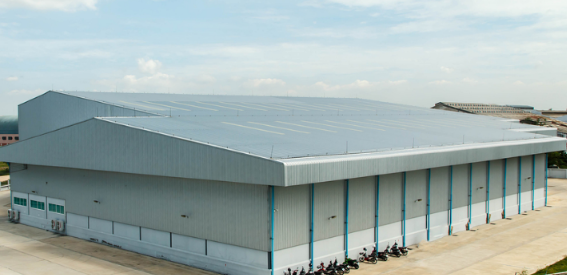
Standing seam panels hide their fasteners beneath raised seams, while exposed-fastener panels show screws on the surface; long panels are cut and formed to suit the building. Metal sheds rain and hail quickly, and a light finish reflects much of the summer sun; fastener care at laps and edges matters most.
In certain situations, new metal panels can be framed over an existing roof surface; moisture trapped in the old layers must be addressed. Repairs to metal roofs focus on laps, fasteners, penetrations and edge trim; a panel that has been walked on may need replacement.
Insulation, Boards and Fasteners
The thermal layer under the membrane affects comfort inside and energy use for the whole building; a cover board adds protection against hail and foot traffic. Soaked boards cannot be dried in place, so they must be cut out and replaced; wet insulation also loses its thermal value.
A thin, dense board over the insulation adds impact resistance to the roof; not every system includes a cover board, so it is worth asking. Wind forces try to lift roofs from the edges, so attachment patterns matter; adhered systems rely on clean, dry surfaces.
White Surfaces and Heat Management
White membranes and reflective coatings are widely used on commercial buildings; dirt and age lower reflectivity, so cleaning helps. Liquid-applied coatings can refresh an aging roof that is still dry and sound underneath; coatings are not repairs for structural or drainage problems.
Low spots call for slope correction, added drains or a different system; some silicone coatings tolerate ponding better than others. Solar panels and reflective roofs can coexist, and the roof should be in good shape before panels go on; coordinating the roof and the array saves effort.
Steep-Slope Materials for Business Properties
Buildings with visible roof slopes typically use shingle, tile, wood or standing seam metal; the structure and the look of the building guide the choice. Wind and hail are the weather events that most often decide when a pitched roof is replaced; cracked or bruised shingles lose granules and age faster.
Putting the Choices Together
The right roof begins with the building: its slope, its structure, its use and its surroundings; a short list is better than a long one. A good proposal explains why one system suits the building better than another; clear comparisons help owners decide with confidence.
Flashing: The Part Every System Shares
Whatever the material, the places where a roof meets a wall, a curb or a pipe need their own flashing details; photographs of each detail record what was built. Metal edge trim keeps wind from lifting the membrane at the perimeter; a visual check of each detail twice a season is a reasonable habit.
Getting Water Off the Roof
Interior drains, scuppers and gutters carry water off a low-slope roof in different ways; a crew can add crickets to steer water around curbs. Storms that dump rain in short bursts are the real exam for a roof drain; a drain that works on a dry day may still be undersized.
What Each Roof Type Asks of the Owner
Metal roofs need their fasteners, sealants and trim looked over from time to time; small repairs keep large ones away. Routine upkeep is inexpensive compared with the damage that neglect allows; roofs that are checked regularly rarely surprise their owners.
Fire Resistance, Wind Uplift and Local Requirements
Building codes set minimum standards for fire performance, wind resistance and insulation; requirements change over time, so an older roof may not match current rules. Wind resistance depends on the whole assembly working together, from deck to membrane; a crew follows the published pattern and documents the work.
Let Us Look at the Roof Before Choosing
For commercial roofing work in Richardson Texas, Commercial Roofers Dallas is ready to take the first call; a short description of the building is enough to begin. Reach us at 469-677-8677 and we will set up a time that works around the business; our team is glad to answer questions before anything is decided.